

As we age, both men and women can experience sexual decline, a natural process that often includes reduced libido, energy levels, and sexual function. However, addressing these symptoms early with the right lifestyle changes can help maintain sexual health and vitality. Good nutrition, stress management, and regular exercise can make a significant difference in preserving your sexual health, offering benefits not just for intimacy but for overall well-being. Let’s explore the symptoms, root causes, and key foods to boost sexual health as you age to improve your best health.
Symptoms of Sexual Decline in Males and Females
In men, sexual decline is often marked by erectile dysfunction, reduced libido, and lower testosterone levels. Fatigue, stress, and poor sleep can exacerbate these symptoms. For women, menopause typically leads to vaginal dryness, hot flashes, and a decrease in sexual desire. Hormonal shifts play a significant role in both genders. Emotional well-being also contributes: anxiety, depression, and relationship stress can worsen the decline in sexual health. Understanding these symptoms and their underlying causes is essential to regaining control over one’s sexual vitality.
Root Causes of Sexual Decline in Men and Women
The primary root cause of sexual decline in both men and women is hormonal changes. In men, a decrease in testosterone levels with age can result in diminished libido and erectile dysfunction. For women, menopause leads to reduced estrogen and progesterone, contributing to vaginal dryness and lower sexual desire. Additionally, lifestyle factors such as poor diet, lack of physical activity, and chronic stress can accelerate sexual decline. Genetics, medical conditions (like diabetes or heart disease), and medications can also play a role in the sexual health of both sexes. A comprehensive approach that addresses these factors is key.
Foods to Boost Sexual Health in Men and Women
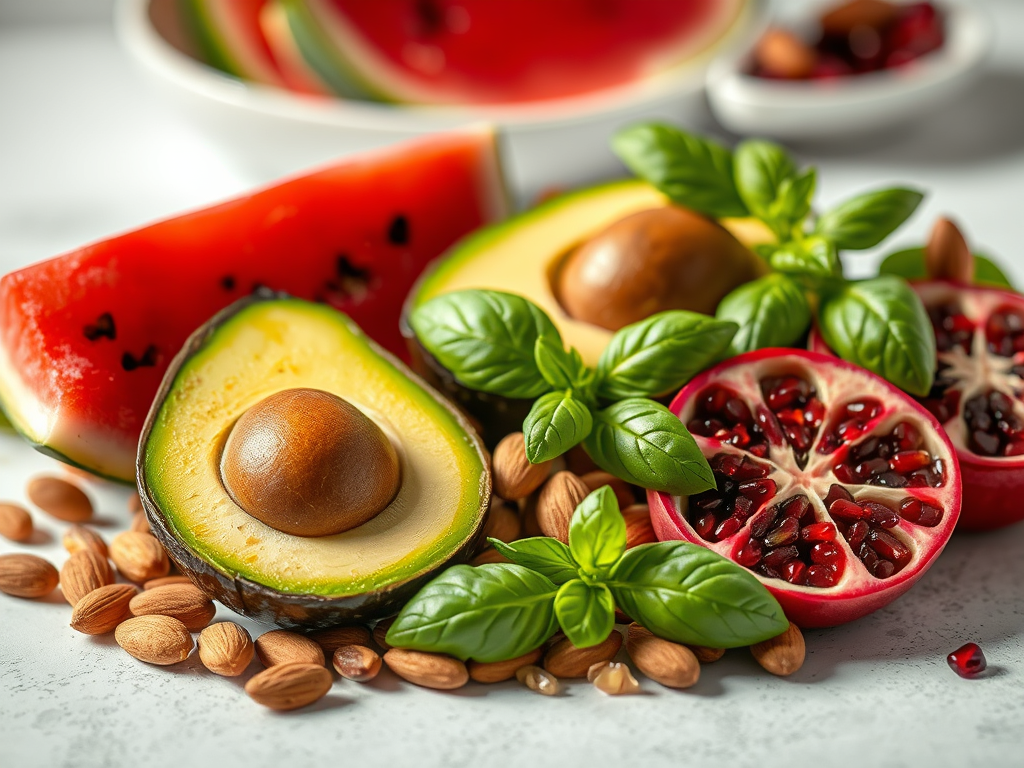
Both men and women can benefit from nutrient-dense foods that support hormone balance and sexual vitality. For men, foods rich in zinc (such as oysters, pumpkin seeds, and spinach) help maintain healthy testosterone levels. Omega-3 fatty acids found in salmon, walnuts, and chia seeds are also excellent for boosting circulation and reducing inflammation. Women can benefit from phytoestrogens found in soy products, flaxseeds, and lentils, which can mimic estrogen in the body. Vitamin E-rich foods like almonds, avocado, and sweet potatoes promote healthy blood flow and help with vaginal dryness.
Foods to Avoid for Sexual Health in Men and Women
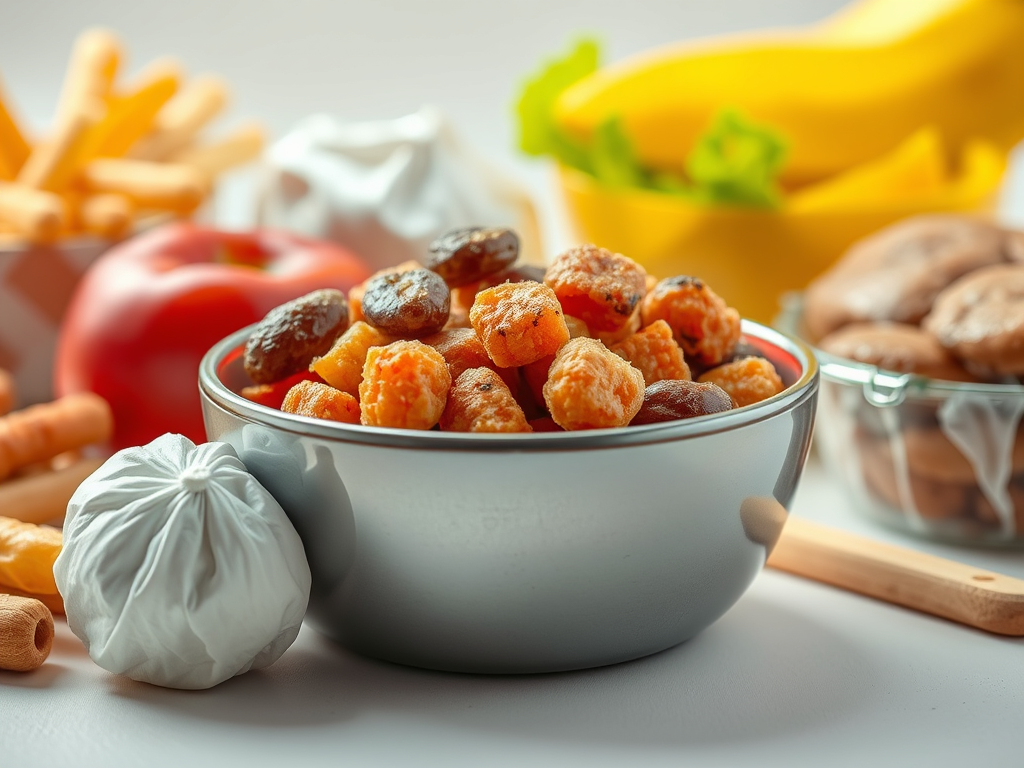
Just as some foods can enhance sexual health, others can contribute to its decline. For men, processed foods high in trans fats, sugars, and refined carbs can negatively affect testosterone levels and increase the risk of erectile dysfunction. Excessive alcohol consumption can also impair sexual function. Women should avoid caffeine and alcohol in excess, as they can interfere with hormonal balance and exacerbate menopausal symptoms. Additionally, high-sodium foods and excessive sugar can contribute to inflammation and reduced blood flow, both of which impact sexual health in both genders.
Maintaining Sexual Vitality: A Lifestyle Approach
The key to combating sexual decline is a holistic approach to health that focuses on nutrition, exercise, and mental well-being. Regular physical activity can help improve blood circulation, boost energy levels, and support hormone regulation. Additionally, stress reduction techniques like yoga, meditation, and quality sleep are vital for maintaining a healthy sexual life. With the right mindset and a balanced diet rich in whole foods, both men and women can preserve their sexual health, age gracefully, and continue to enjoy intimacy well into later years. Prioritize your best health today to safeguard your vitality for tomorrow.

Medical references that relate to anti-aging and Sexual Decline
When discussing anti-aging and sexual decline, medical references typically draw from research on hormonal changes, lifestyle factors, and the effects of aging on sexual health. Below are some key studies and sources that provide evidence-based information on these topics:
1. Testosterone and Sexual Health in Men
- “Testosterone and Sexual Function in Men” – This review article from JAMA (Journal of the American Medical Association) explores the relationship between testosterone levels and sexual function, including libido, erectile function, and overall vitality. Lower testosterone levels in aging men have been linked to reduced sexual desire and erectile dysfunction.
- Source: JAMA. 2009;301(14):1460-1467. DOI: 10.1001/jama.2009.479
2. Menopause and Sexual Health in Women
- “Sexual Function in Women with Menopause: Effects of Estrogen and Non-Hormonal Interventions” – This study, published in Menopause (The Journal of The North American Menopause Society), looks at how menopause affects sexual function in women, including decreased libido, vaginal dryness, and other sexual health concerns. It also highlights treatments that can help manage these changes.
- Source: Menopause. 2017 Jun;24(6):688-699. DOI: 10.1097/GME.0000000000000862
3. Nutritional Interventions in Sexual Health
- “Dietary Patterns and Sexual Function in Men and Women: A Systematic Review” – This review article in The Journal of Sexual Medicine examines how different dietary patterns (including Mediterranean, plant-based, and low-fat diets) can impact sexual health in both men and women. It emphasizes the importance of nutrient-dense foods, such as those rich in antioxidants, omega-3 fatty acids, and phytoestrogens, in promoting sexual function and reducing symptoms of sexual decline.
- Source: J Sex Med. 2018 Oct;15(10):1377-1385. DOI: 10.1016/j.jsxm.2018.07.009
4. Age-Related Sexual Dysfunction and Lifestyle
- “The Role of Lifestyle in the Prevention and Treatment of Erectile Dysfunction: A Review of the Literature” – This article, published in American Journal of Lifestyle Medicine, explores how lifestyle factors (including diet, exercise, and stress management) can influence erectile dysfunction (ED) and overall sexual health in aging men. It also highlights the importance of a balanced lifestyle in preventing or mitigating sexual decline.
- Source: Am J Lifestyle Med. 2013 Sep;7(5):292-299. DOI: 10.1177/1559827613482745
5. Estrogen and Vaginal Health in Aging Women
- “The Impact of Estrogen on Vaginal Health: Implications for Women in Menopause” – This article, published in The Journal of Obstetrics and Gynecology, delves into how the decline of estrogen during menopause leads to vaginal atrophy, which can cause discomfort, dryness, and sexual dysfunction. The paper also discusses how estrogen therapy and other treatments can help restore vaginal health and improve sexual function.
- Source: J Obstet Gynaecol. 2019 Oct;39(7):1021-1027. DOI: 10.1080/01443615.2019.1647391
6. The Effects of Chronic Stress on Sexual Health

- “The Impact of Stress on the Sexual Health of Men and Women: A Review” – This paper, published in The Journal of Sexual Medicine, reviews how chronic stress affects hormonal balance, sexual desire, and performance in both men and women. It discusses stress management techniques, including relaxation and mindfulness, as ways to mitigate the negative effects of stress on sexual health.
- Source: J Sex Med. 2010 Jan;7(1 Pt 1):40-50. DOI: 10.1111/j.1743-6109.2009.01635.x
7. Nutritional Supplements for Sexual Function
- “Nutritional Supplements for Erectile Dysfunction” – A study in Current Urology Reports examines the role of various vitamins, minerals, and supplements—such as zinc, L-arginine, and ginseng—in improving erectile function and sexual desire in aging men. It also looks at the safety and efficacy of these supplements.
- Source: Curr Urol Rep. 2019 Jul;20(7):41. DOI: 10.1007/s11934-019-0901-6
8. Physical Activity and Sexual Function
- “Physical Activity and Sexual Function: A Review” – This paper, published in The Journal of Sexual Medicine, outlines how regular physical activity improves circulation, reduces stress, and supports healthy hormone levels, all of which are important for maintaining sexual function and combating age-related decline in both men and women.
- Source: J Sex Med. 2012 Jan;9(1):100-107. DOI: 10.1111/j.1743-6109.2011.02335.x
These references cover a range of topics related to anti-aging, sexual decline, and the intersection of lifestyle, diet, and hormones. They offer evidence-based insights that can help guide interventions to support sexual health as we age.
Vital Bliss is a female herbal for sexual desire. Lubrication, hormone balance and climax coming soon.