
Dr Larry’s Secrets for
Profound Sleep
Tips most doctors don’t know!!
Why would you want to listen to me about sleep?
I am a retired chiropractor and naturopath doctor, as well as a clinical nutritionist for over 35 years who has been treating patients for over 35 years. I now perform many types of analysis for people to determine the root cause of their health issues. Not everybody is the same and not every remedy will work for everybody. One of the common of these patients had sleep issues. This document is a summary of what I have learned about sleep from a research standpoint of seeing what worked for my patients over the years.
Here are some questions that I would ask my patients to determine the root cause of their sleep issues as follows:
1. Are there any other health conditions that could be causing my sleep problems? What do you think is the underlying cause?
2. Could any of my current medications, vitamins, or supplements be interfering with my ability to fall asleep?
3. Are there any other lifestyle factors I can change to help with this problem?
4. How many hours of sleep do I need at night on average?
5. What can I do to help myself get better sleep?
Did you know that chronic sleep deprivation can cause serious detrimental effects to your central nervous system resulting in the following?
1-Memory Issues – Short- and long-term Memory loss. When you don’t get enough sleep there is a slow wave sleep cycle which is the main factor for memory cognition and brain repair that can default. Lack of sleep does not allow the brain to synapse impulses correctly thereby impairing your learning and retention ability.
2-Immune System- The immune system consists of your T Cells and B cells which secrete antibodies and protect the body from virus and bacteria. Lack of sleep suppresses the release of cytokines. This does not allow the body to fight against illness. Cytokines are an aid in helping your memory therefore lowering these amounts can influence on memory as well as increasing your risk of diabetes and heart disease and other health disorders.
3-Accidents- Lack of sleep can cause more car accidents as well as simple home accidents. The main problem is that your reaction time to incidents is impaired.
Public Safety Records show that there are 100,000 car crashes per year and 150,000 car crash deaths in the United States.
Lack of sleep causes little communication between the pre frontal cortex of the brain and the hippocampus. Memory and slow reaction time is the result.
4-Lack of Libido- The desire to have sex is greatly impaired by lowered testosterone. In women genital arousal and lubrication is also impaired. Being that lack of sleep affects the frontal lobe of the brain, in men it can cause a misjudgment and overestimation of the sexual intent of a woman. Ejaculation is impaired as well. Lack of sleep can also cause depression which can cause a decrease in sex drive.
5- Lack of sleep increases aging of the skin due to decreased Human Growth Hormone secretion which effects elasticity of skin, muscle tone and strength. Slowing down of Collagen seems to also a big problem due to increase of cortisol.
6- Gain of Weight- Lack of sleep allows the body to produce decreased leptins which doesn’t allow appetite suppression. Ghrelin’s are also increased which increases your appetite. It has been shown that sleep deprivation causes the body to have cravings for carbohydrates during the day to supply your fuel tank.
7 – Decreased Sleep Hours Lead to Adaption- “Studies show that people who are getting six hours of sleep, instead of seven or eight, begin to feel that they’ve adapted to that sleep deprivation — they’ve gotten used to it,” So there’s a point in sleep deprivation when we lose touch with how impaired we are.
There is a physiologic response to impaired sleep. The Sympathetic nervous system causes a rise in adrenaline secreted which causes the body to not be able to calm down. What we find with sleep disorders is that the cortisol levels are low during the day and elevated at night. When having low cortisol levels during the day, causes mental confusion, fatigue, and poor memory reaction time in making important decisions.
Note: There is a 24-hour saliva test we can perform that shows if your cortisol levels are elevated during the night so that we can help you correct this issue.
You can now see why addressing your sleep issue is a priority!!!
Types of Sleep Disorders
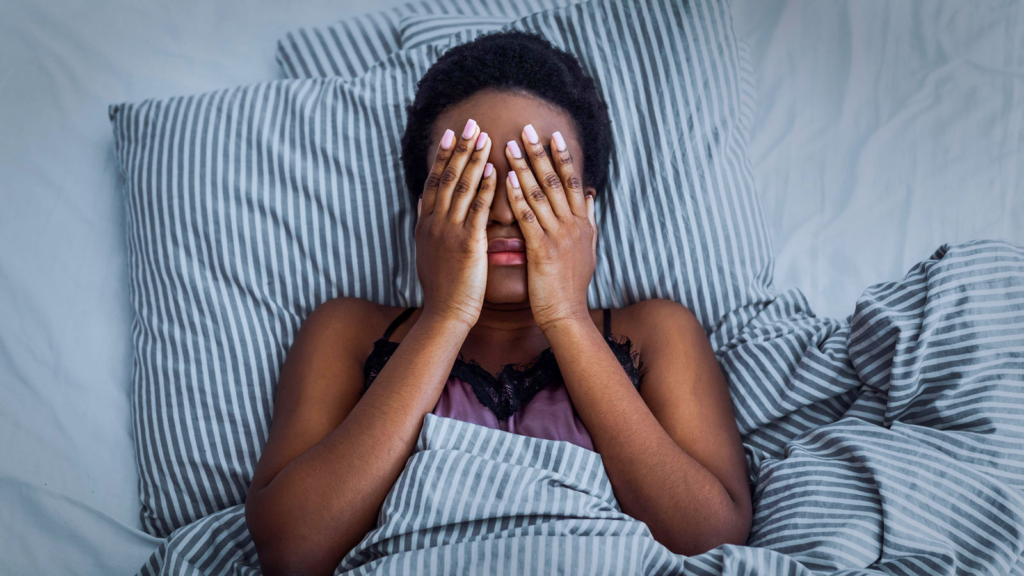
Over 70 million people in the United States suffer from some form of sleep disorder.
We use the term sleep disorder which is a generalization for poor sleep.
Sleep disorders are closely associated with depression. Each year 6-10 million people in the U.S. received prescriptions for sedative hypnotics. Psychological factors account for more than 50 per cent of all sleep disorders.
Sleep Onset Disorder is associated with the inability to fall asleep at the beginning of the night, or at the point of normal “sleep onset.” For example, common symptoms include feeling tired during waking hours, inability to concentrate, and irritability. This is the most common form of as sleep disorder. This type will interfere with being productive in the workplace, having the energy to workout at a gym, obesity, as well as being short tempered and feeling edgy.
Maintenance Sleep Disorder
Difficulty staying asleep, waking up too early, and struggling to get back to sleep is a major problem. This occurs more in women than men. This may be due to a women’s circadian rhythm irregularity which has to do with a women’s hormones. Maintenance Sleep Disorders are more common in women than in men. Low blood sugar drops at bedtime can awaken the release of cortisol and growth hormone which interferes with brain neurotransmitters such as serotonin and dopamine which cause an awakened mind.
Comorbid Sleep Disorders
These type of sleep disorders are closely correlated with having anxiety and depression. Also, chronic pain and arthritis is classified in this category. These type of sleep disorders are making the pharmaceutical companies wealthy. We become dependent on these medications and never take the necessary steps to change our situation for the better.
Hypoglycemic Disorders
Sufficient blood sugar levels are necessary for proper functioning of the
Neurotransmitter Imbalances
When there is a drop in blood sugar, the body will release cortisol, glucagon, and growth hormone. You will be awake, and your mind will start racing.

FOODS TO AVOID FOR SLEEP ISSUES!
- Coffee. While some people seem able to down a late-night espresso without losing a wink of sleep, most are not so lucky. …
- Sugary Cereal.
- Spicy Foods. …
- Soda….
- Wine….
- Orange Juice….
- Burgers.

FOODS TO EAT TO HELP SLEEP!
- Dairy products (milk, low-fat yogurt, cheese) unless you are lactose intolerant
- Poultry (turkey, chicken)
- Seafood (shrimp, salmon, halibut, tuna, sardines, cod)
- Nuts and seeds (flax, sesame, pumpkin, sunflower, cashews, peanuts, almonds, walnuts)
- Legumes (kidney beans, lima beans, black beans split peas, chickpeas)
- Fruits (apples, bananas, peaches, avocado)
- Vegetables (spinach, broccoli, turnip greens, asparagus, onions, seaweed)
Magnesium
Magnesium is a powerful mineral that is instrumental in sleep and is a natural relaxant that helps deactivate adrenaline. A lack of magnesium can be directly linked to difficulty going and staying asleep. Magnesium is often referred to as the sleep mineral. Excellent sources of magnesium are:
- Dark leafy greens (baby spinach, kale, collard greens)
- Nuts and seeds (almonds, sunflower seeds, brazil nuts, cashews, pine nuts, flaxseed, pecans)
- Wheat germ
- Fish (salmon, halibut, tuna, mackerel)
- Soybeans
- Banana
- Avocados
- Low-fat yogurt
Calcium
Calcium is another mineral that helps the brain make melatonin. A lack of calcium can cause you to wake up in the middle of the night and have difficulty returning to sleep. Calcium rich diets have been shown to help patients with sleep disorders. Dairy products that contain both tryptophan and calcium are among the best sleep inducers. Sources of calcium include:
- Dark leafy greens
- Low-fat milk
- Cheeses
- Yogurt
- Sardines
- Fortified cereals
- Soybeans
- Fortified orange juice
- Enriched breads and grains
- Green snap peas
- Okra
- Broccoli
Vitamin B6
Vitamin B6 also helps convert tryptophan into melatonin. A deficiency in B6 has been linked with lowered serotonin levels and poor sleep. A deficiency in B6 is also linked to symptoms of depression and mood disorders which can lead to sleep disorders. Highest sources of B6 are:
- Sunflower seeds
- Pistachio nuts
- Flaxseed
- Fish (tuna, salmon, halibut)
- Meat (chicken, tuna, lean pork, lean beef,)
- Dried Prunes
- Bananas
- Avocado
- Spinach
Melatonin
Many of the vitamins and minerals that are on this list are there because they help aid in the production of turning serotonin into melatonin. However, there are a few excellent sources of naturally occurring melatonin in foods:
- Fruits and vegetables (tart cherries, corn, asparagus, tomatoes, pomegranate, olives, grapes, broccoli, cucumber)
- Grains (rice, barley, rolled oats)
- Nuts and Seeds (walnuts, peanuts, sunflower seeds, mustard seeds, flaxseed)
It’s not just foods that are great for sleep. Many drinks contain essential vitamins and minerals that help aid with sleep. A few of the ones to try are:
- Warm milk
- Almond milk
- Valerian tea
- Chamomile tea
- Tart cherry juice
- Passion fruit tea
- Peppermint tea
Coffee is a stimulant. It contains caffeine and acid forming compounds. It stimulates the adrenal glands to secrete cortisol which stimulates the central nervous system. This will keep your mind hyperactive.
It is recommended that you don’t eat sugary cereal before bed. The cereal contains carbohydrates which convert to sugar. By adding normal sugar to sweeten it, you have just added more problems causing the body to go into overdrive for a few hours and when the sugar wears off, then we will have to deal with poor neurotransmitter functioning and poor sleep.
Spicy foods are a vagus nerve stimulant that can cause gastrointestinal problems such as heart burn. Stimulating the vagus nerve can have a negative effect on your heart causing irregular heartbeat. Spicy foods can make you have increased thirst as well as give you an allergic reaction which result in skin itching, or just overactive thinking.
It is not good to drink soda at night because of its sugar content and food coloring. This can cause irregular thought patterns. Aggravated emotional disorders. It might also cause bowel distention and gas.
Wine contains sugar as well as phenols. You might have an allergic reaction to the phenols. Wine can be a depressant and alter your neurotransmitter signals which would greatly reduce sleep.
Orange Juice- high in sugar, acid forming,
Burgers- high in fat, difficult to digest at night. Makes the body expend much too much energy for digestion and doesn’t allow your body to relax.
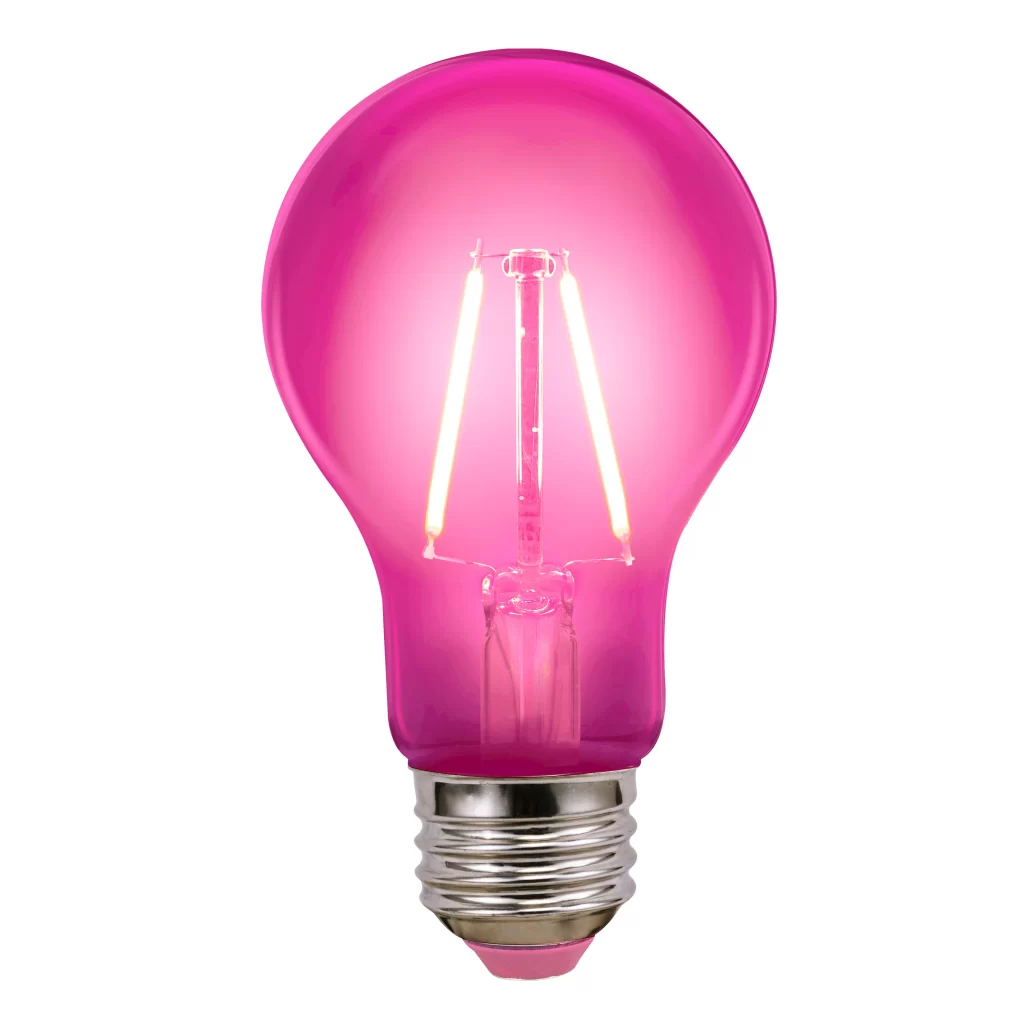
Pink 9-Watt LED Bulb for profound sleep
This is the light bulb that encourages production of melatonin—the hormone that promotes sleep. Unlike typical light bulbs that emit high levels of short wavelength “blue” light that suppress melatonin, this light bulb reduces blue light by 50% to facilitate a better night’s sleep. The use of a pink color in reducing aggression and causing muscular relaxation is humane and involves no medication or physical force. The phenomenon affects the endocrine system causing a tranquilizing effect on the muscle system. The effect cannot be controlled by any conscious or unconscious effort. This has been proven by experimenting with accomplished athletes who do martial arts and yoga. It is a similar effective with color-blindness. In repeated experiments with adolescents and adults, the non-drug anesthetic effect occurs, on the average in 2.7 seconds. We would suggest the use of a pink color in any situation where stress, anxiety occurs and to help enhanced the circadian rhythm for profound sleep
Ideal for use in a nightstand lamp for 2 hours before you fall asleep. Use a timer to turn on light and turn it off in 2 hours. The 9-watt LED produces the same light as a 65-watt incandescent for optimal effect.
General Recommendations for Sleep Disorders
- Lemon Balm and Valerian Root works well together to relax the mind.
- Hops relaxes the nervous system
- L Tryptophan is especially good for those who wake up during the night.
- Vitamin B6 helps with the production of serotonin for sleep
- Chamomile Tea, Drink 1 cup before bedtime. This tea helps to relax the nervous system.
- Methyl B12 deficiency is very common in adults.
Other modalities that might help are: Acupressure, Massage, Hot foot baths with Epsom salts 2 hours before bedtime or just an Epsom salt bath.
Other recommendations to help sleep disorders:
- Go to bed same time every night and get up the same time each morning.
- Keep your bedroom quiet and dark and do not watch TV in your bedroom.
- Use for bed for sleep and sex only. Everything else including reading, writing letters, and making phone calls, should be done in another room.
- If you get up during the night, get out of bed and go to another room and read a magazine or engage in some other quiet activity like breathing slowly from 1-10 and repeating this.
- Smoking or being exposed to secondhand smoke 2 hours before bed has a calming effect but ultimately disrupts sleep.
- If you take any pain mediation, read the label, and make sure there is no caffeine derivatives in it.
- Try to do some type of exercise each day for 30 minutes. Do not exercise 2 hours before bedtime as this will stimulate you.
- Listening to soft classical music or piano music 30 minutes before bedtime.
- Do not use any cell phones tablets, or other electrical devices at bedtime. This will worsen sleep quality.
Pink 9-Watt LED Bulb for profound sleepeep
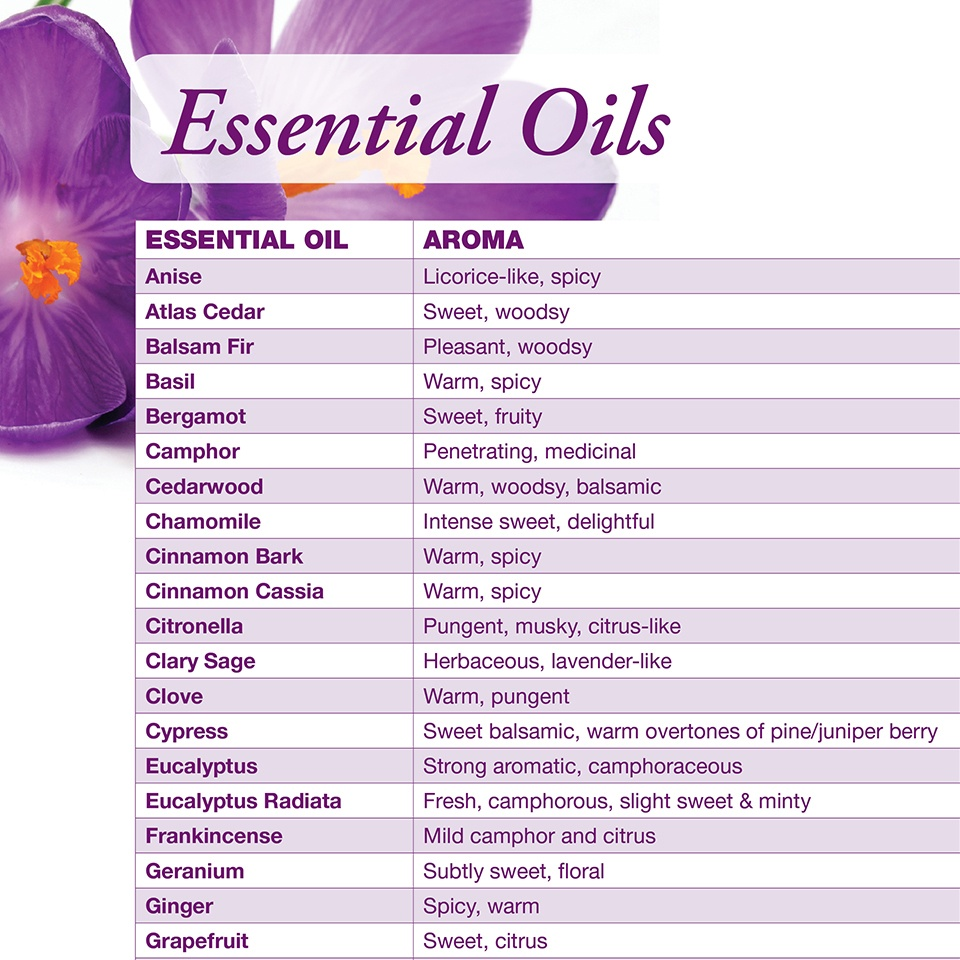
ESSENTIAL OILS FOR PROFOUND SLEEP
Calm Mind and Body
After a busy and stressful day, you deserve relaxation and good sleep. Essential Oils helps you calm both mind and body naturally. It is an excellent idea to blend essential oils together to assist with sleep or just to relax, calm and soothe, as well as provide energy for the coming day. These oils assist your body to combat anxiety, worry, and even depression. These high-grade essential oils are formulated to help with the circadian cycle of sleep and put you into a mindless state of relaxation.
Other studies also reported that inhaling lavender aroma increases theta (4-7 Hz) wave throughout the whole brain during waking times. These studies suggest that lavender aroma may promote low-frequency (theta & delta) brain waves, which could increase deep sleep and improve individual sleep quality.
The sedative effects of the essential oil cedrol have been studied in both animals and humans. Inhaling an essential oil mixture that contains cedrol has been demonstrated to improve sleep quality in both young, healthy adults and older adults with dementia, likely because it activates the parasympathetic nervous system.
Rub essential oils blends on your cheek bones before sleep or on your pillow.
My personal experience to help sleep issues is to have combined the following ingredients:
Start with a carrier base of Sunflower Oil and add the following oils: Lavender, All Spice Berry, Temple Orange, Lemongrass, Petitgrain, Marjoram, Canaba, Cedarwood Lavandin, Copalba, Helichrysum, and others.
Brain Waves for Sleep
Regular meditation has been shown to increase alpha waves – your relaxation brain waves — and reduce beta waves – the brain waves of active thought and learning. That’s why meditation is often recommended for reducing stress.
Alpha Waves resonate at 7-12 Hz and help the mind with creativity as well as sleep. Mediation is one way of increasing alpha waves as well as other electronic instruments you can purchase to program Alpha Wave lengths.
Do alpha waves release serotonin?
Besides relaxation, alpha waves may also help boost creativity and thereby act as a natural anti-depressant by promoting the release of the
neurotransmitter serotonin.
Alpha Waves can produce the following:
- Eases anxiety
- Lowers depression
- Boosts creativity
- Increases pain tolerance
- Boosts resilience to stress[
. Lower Elevated Cortisol at night
Here are other tips regarding brain waves
- Beta waves mediate attention and sometimes produce anxiety.
- Theta waves rise during drowsiness and daydreaming. They can also increase your sense of connectedness with people around you.
- Delta waves increase during restorative sleep.
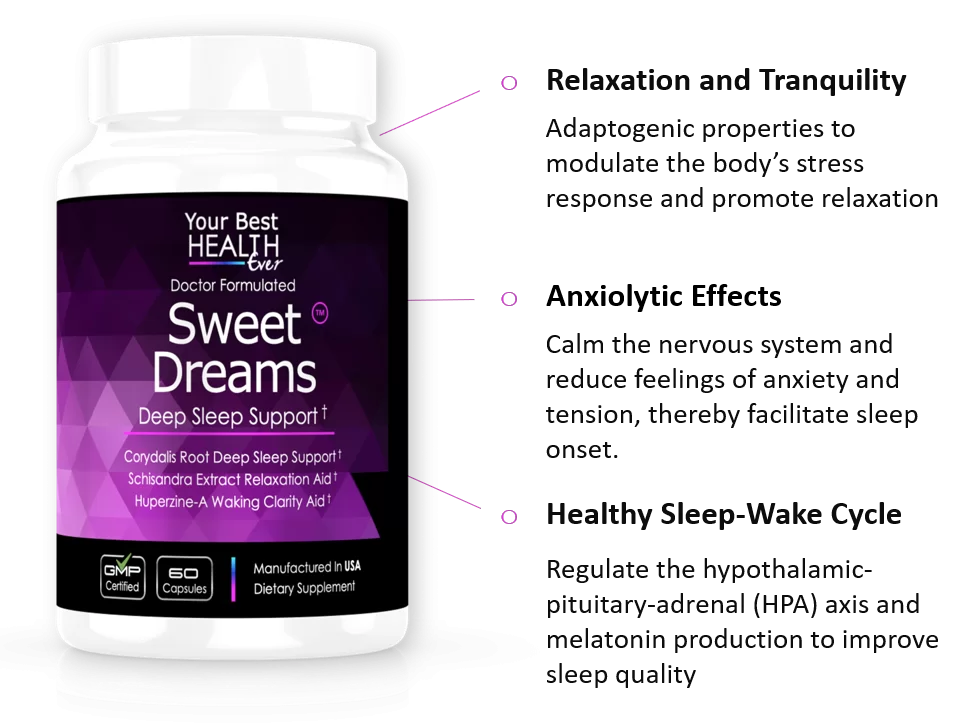
*The statements in this document have not been evaluated by the Food and Drug Administration. This ihformation is not intended to diagnose treat, cure, or prevent any disease. www.myvitalproducts.com