

Drainage, congestion, pressure—these three words describe the uncomfortable cycle that many people recognize as “sinus trouble.” A blocked nose, mucus moving down the throat, heaviness around the eyes or cheeks, headaches, cough, or the feeling that you simply cannot breathe freely can interfere with sleep, energy, concentration, exercise, and daily comfort.
Sinusitis is more than an occasional stuffy nose. It refers to inflammation and swelling involving the nasal passages and sinus cavities. Acute symptoms can accompany a common cold and often improve over days. But when symptoms persist, recur repeatedly, or last 12 weeks or longer, the condition may be considered chronic rhinosinusitis and deserves a closer look at the underlying drivers—not simply repeated short-term symptom suppression.
The key is understanding that chronic sinus problems do not always have one simple cause. Infection, allergies, inflammation, anatomical blockage, environmental irritation, medication overuse, dental issues, and impaired mucus clearance can all play a role.
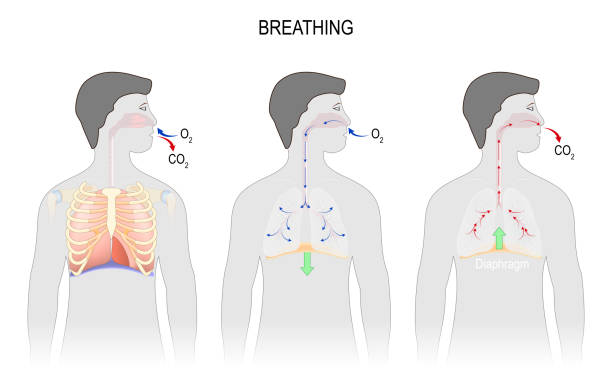
Your sinus cavities are air-filled spaces around the nose, cheeks, forehead, and eyes. They are lined with a moist mucous membrane—often called the nasal or respiratory mucosa. This lining produces mucus, which is not inherently bad. Healthy mucus traps dust, allergens, microbes, and other particles, then tiny hair-like structures called cilia help move that material toward the throat so it can be swallowed and cleared.
Problems develop when inflammation causes the sinus openings to narrow or close. Mucus may then become thicker, less mobile, and harder to clear. The result can be a familiar cycle:
This is why a person can feel “full” or blocked even while having a runny nose or post-nasal drip. The issue is not always excessive mucus alone; it is often impaired mucus movement and narrowed drainage pathways.
Common sinusitis symptoms include:

Most acute sinus infections begin with a viral infection, often the same virus responsible for a common cold. Viruses do not “live” as independent organisms in mucus; they require living host cells to reproduce. In the nose and upper airway, viruses attach to and enter cells within the mucosal lining. The moist mucosal environment provides the surface and cells in which viral infection can take hold.
The body responds with inflammation. Blood vessels in the nasal mucosa dilate, tissues swell, mucus production changes, and ciliary clearance may slow. This can cause nasal obstruction and reduce normal sinus ventilation. In many cases, the immune system clears the virus and the symptoms gradually resolve.
A bacterial infection may sometimes develop after a viral illness has created swelling and poor mucus flow. Bacteria can take advantage of retained secretions and impaired sinus drainage. Clinical concern for acute bacterial rhinosinusitis rises when symptoms last about 10 days without improvement, are unusually severe, or improve and then worsen again—sometimes called “double worsening.”
However, it is important not to assume every episode of thick mucus, sinus pressure, or colored discharge is bacterial. Viral illnesses, allergies, and inflammation can all produce substantial symptoms. Antibiotics do not treat viruses, and many uncomplicated acute sinus infections improve without them.
For chronic sinus issues, infection is often only one piece of the puzzle. Repeated antibiotics may temporarily help a confirmed bacterial flare, but they do not correct the underlying reason that the sinus cavity keeps becoming inflamed or poorly drained. If the root problem is allergy-driven swelling, nasal polyps, a deviated septum, chronic inflammatory disease, or medication-related rebound congestion, antibiotic treatment alone will not resolve the long-term cycle.
Structural contributors may include:
Nasal polyps, a deviated septum, and other nasal structural issues are recognized contributors to chronic sinusitis and may need evaluation by an ear, nose, and throat specialist rather than repeated self-treatment alone.
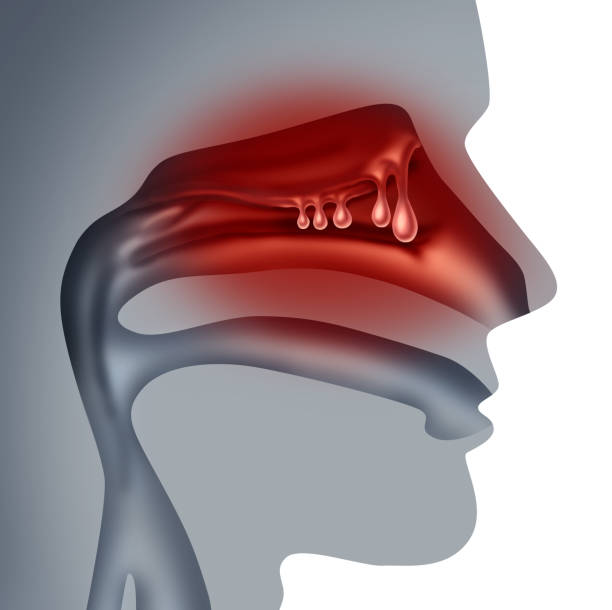
People sometimes describe having “hardened mucus walls” or crusted, thick material inside the back of the nose and nasopharyngeal region. While this is not a formal diagnosis by itself, the concern behind the description is real: mucus can become thick, sticky, dried, crusted, or retained when hydration is inadequate, air is dry, inflammation is persistent, mucus clearance is impaired, or airflow is obstructed.
The nasopharynx is the upper part of the throat behind the nose. When mucus thickens or adheres to the mucosal surfaces in this area, it may be difficult to clear. Instead of moving forward and out through the nostrils or smoothly down the throat, secretions can linger. This may contribute to throat clearing, cough, unpleasant taste, bad breath, the sensation of constant drip, and a feeling of mucus “backing up.”
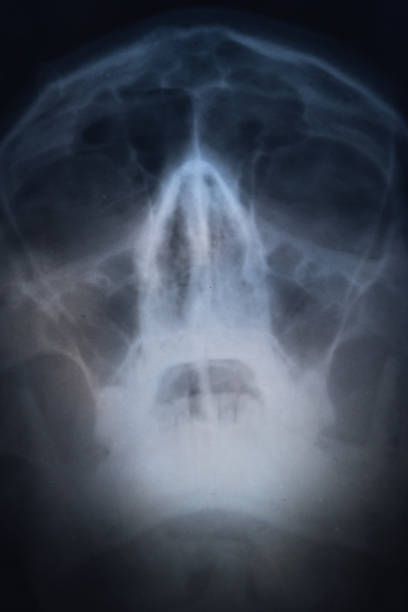
It is more accurate to think of this as impaired mucus clearance and retained secretions rather than a literal hardened wall in every case. Severe crusting, persistent foul odor, one-sided blockage, nosebleeds, facial swelling, or recurrent infections should be examined professionally. Those symptoms can require nasal examination, endoscopy, imaging, or evaluation for polyps, chronic infection, anatomical obstruction, dental disease, or other causes.
Hydration matters because water and clear liquids can help thin nasal mucus and make it easier to clear.
No single food “cures” chronic sinusitis, and no food reliably creates or eliminates mucus for everyone. But diet and hydration can support mucus consistency, comfort, and immune function.
Foods and beverages that may help promote thinner secretions and easier clearance include:
Warm broth-based soups are often especially useful when sinus symptoms reduce appetite, since they provide fluid and nourishment at the same time.

Potential nutritional products that may be considered as part of general wellness support include:

Nutritional products are best viewed as supportive tools—not replacements for diagnosis, appropriate medical care, allergy management, or correction of a significant structural blockage.
Nasal sprays are not all the same. This distinction is extremely important.
Saline sprays and rinses moisturize the nasal passages and help loosen mucus. They do not create medication rebound congestion.
Prescription anti-inflammatory nasal sprays, commonly corticosteroid sprays, are designed to reduce swelling and inflammation. They may be helpful for allergies and chronic sinus inflammation when used as directed by a clinician. They are different from topical decongestant sprays and generally do not cause the same rebound phenomenon.

The major rebound concern involves topical decongestant sprays—products that temporarily shrink swollen nasal blood vessels. These may be sold over the counter and sometimes are used for short-term severe congestion. When used repeatedly beyond a few days, they can cause a condition called rhinitis medicamentosa, or rebound congestion. The nose may become even more blocked as the medication wears off, encouraging a person to use more spray and creating a frustrating dependence cycle.
If you find yourself needing a decongestant spray every day just to breathe through your nose, that is a strong reason to consult a clinician. Stopping rebound-producing sprays can initially be uncomfortable, but identifying the underlying cause—such as allergies, polyps, septal deviation, or chronic inflammation—is essential.
Persistent drainage, congestion, pressure should not be ignored when it affects breathing, sleep, smell, quality of life, or repeatedly returns after treatment. A clinician, especially an ENT specialist, can help determine whether the main issue is viral illness, bacterial infection, allergy, chronic inflammation, reflux, dental disease, a deviated septum, nasal polyps, or another structural concern.
Seek prompt medical attention for high fever, swelling or redness around the eyes, vision changes, severe headache, confusion, stiff neck, significant facial swelling, shortness of breath, or severe worsening symptoms. These are not routine “wait it out” sinus symptoms.
The most effective long-term strategy is not simply trying to dry up every secretion. It is to restore healthier airflow, reduce unnecessary inflammation, support normal mucus movement, identify infection appropriately, and correct any anatomical or allergic factor that keeps the cycle going.
Drainage. Congestion. Pressure. When these three symptoms become chronic, the goal is to move beyond temporary relief and identify why the sinus system is not clearing normally.
#SinusHealth #Sinusitis #ChronicSinusitis #NasalCongestion #PostNasalDrip #SinusPressure #MucusDrainage #ImmuneSupport #NasalPolyps #DeviatedSeptum #HealthyBreathing #WellnessEducation
https.www.myvitalproducts.com/bionutritional evaluation
These statements have not been evaluated by the Food and Drug Administration. This blog is not intended to diagnose, treat, cure, or prevent any disease. Individual results may vary. Consult your physician before beginning any supplement or health treatments, especially if you are pregnant, nursing, or taking prescription medications
These statements have not been evaluated by the Food and Drug Administration. These products are not intended to diagnose, treat, cure, or prevent any disease. Individual results may vary. Consult your physician before beginning any supplement regimen, especially if you are pregnant, nursing, or taking prescription medications.
© 2026 My Vital Products. All rights reserved.
