
The Hidden Connection Between Chronic Stress, Sleep Deprivation, Inflammation and Your Body’s Natural Defenses
Most people think of stress as something that affects their mood and sleep as something that affects their energy. But there is a much deeper connection happening inside the body. Stress and poor sleep can directly influence immune system function, inflammation, hormones and the way immune cells communicate. The fascinating part is that your brain and immune system are in constant two-way communication. What happens in your mind can influence your immune defenses—and what happens in your immune system can influence how you sleep and feel.
That means the familiar cycle of “I’m stressed, so I don’t sleep well, and because I don’t sleep well, I feel worse” is not simply psychological. It has a biological foundation.
And here is something many people don’t realize: sleep is not merely a period when the body shuts down. It is an active biological state during which immune regulation, hormonal signaling, memory formation and tissue repair are being coordinated. Research increasingly describes sleep and immunity as tightly interconnected systems. citeturn0search2turn0search18
When you experience stress, your body activates systems designed to help you respond to a threat.
One of the most important is the hypothalamic-pituitary-adrenal (HPA) axis. This system ultimately influences the production of cortisol, one of the body’s major stress hormones.
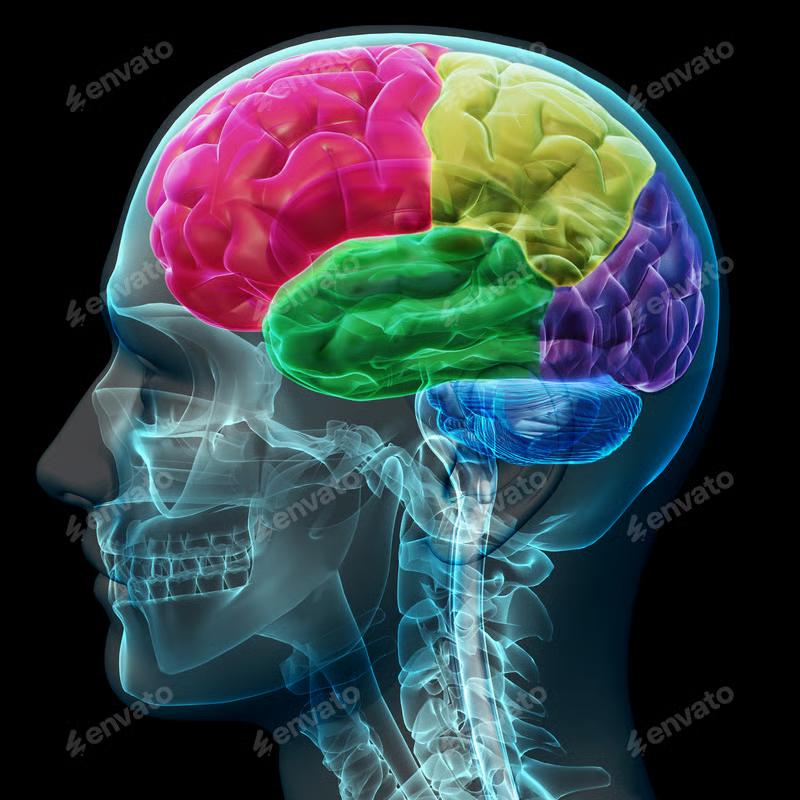
Cortisol isn’t inherently bad.
In fact, cortisol is essential. It helps regulate metabolism, blood pressure, inflammation and immune activity. A short-term stress response can actually temporarily mobilize certain immune cells and prepare the body to respond quickly. citeturn0search0
The problem occurs when the alarm system never seems to switch off.
Imagine constantly pressing the accelerator in your car without giving the engine a chance to return to normal.
That is somewhat analogous to chronic stress.
With prolonged stress exposure, immune regulation can become distorted. Research indicates that chronic stress can reduce aspects of T-cell function and natural killer (NK) cell activity while contributing to inflammatory imbalance. citeturn0search0turn0search19
This is one of the lesser-known facts about stress.
People often assume stress immediately “weakens” immunity. The reality is more complicated.
Acute stress can temporarily mobilize immune cells—including natural killer cells—into the bloodstream and tissues. Your body is essentially saying, “Something may be wrong. Get the defense team ready.”
But chronic stress is different.
When the stress response remains activated repeatedly, these short-term adaptations can become counterproductive. Studies describe decreased NK-cell cytotoxicity and impaired T-cell activity during chronic stress. citeturn0search10turn0search19
So stress isn’t simply an “immune suppressor.”
The duration and pattern of stress matter.
Now consider what happens when chronic stress keeps you awake.
You may fall asleep late.
You may wake up repeatedly.
You may wake at 3 a.m. and struggle to return to sleep.
Or perhaps you sleep seven or eight hours but wake feeling as though you barely slept.
This matters because the immune system follows biological rhythms.
Your immune cells don’t operate at exactly the same level every hour of the day.
Hormones, immune-cell trafficking and inflammatory signaling change according to the body’s circadian timing. Research shows that natural killer cells, T-cell subsets and stress hormones exhibit daily patterns connected with sleep and circadian rhythms. citeturn0search2turn0search14
In other words, your immune system has a biological clock.
And repeatedly disrupting that clock may interfere with normal immune regulation.
Here’s another fact that surprises many people:
Lack of sleep doesn’t simply make you tired—it can shift inflammatory biology.
A recent meta-analysis of 35 studies involving 887 participants found that multiple nights of partial sleep deprivation were associated with increases in inflammatory markers including IL-6 and C-reactive protein (CRP). Interestingly, the researchers did not find the same inflammatory changes after a single night of sleep loss, suggesting that persistence matters. citeturn0search4
That distinction is important.
One bad night doesn’t necessarily mean your immune system has suddenly collapsed.
But repeatedly sleeping too little can create a very different biological situation.
Think of it as sleep debt accumulating in the body’s regulatory systems.
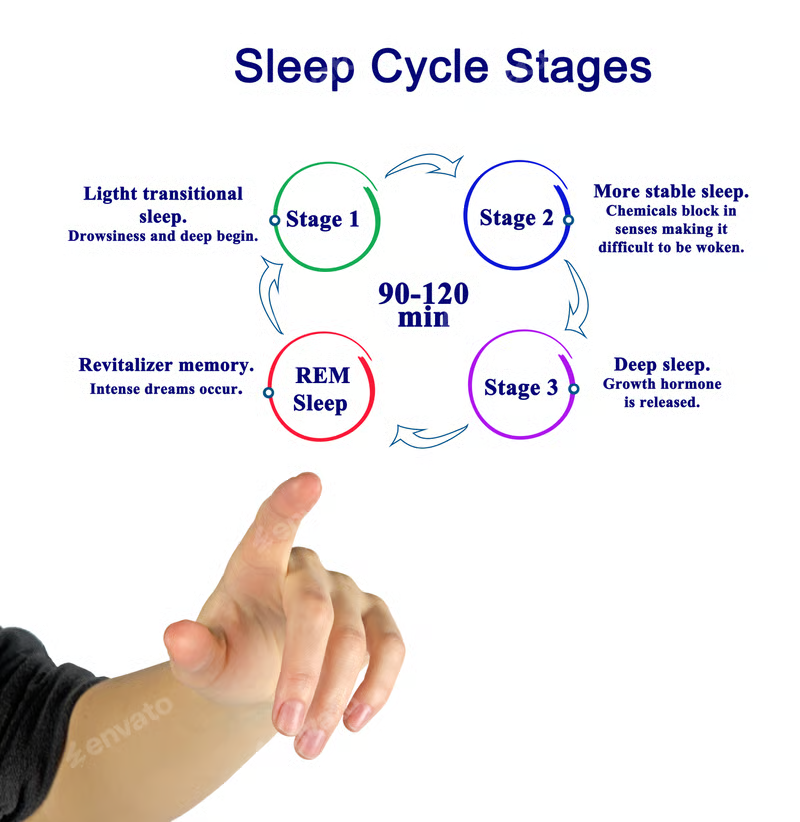
During healthy sleep, the immune system doesn’t simply become inactive.
Instead, sleep is associated with coordinated immune signaling.
Certain immune cells redistribute throughout the body. Cytokine signaling changes. Hormonal rhythms shift. The nervous system becomes quieter in some respects while other biological processes become more active.
Research has described sleep as a period that supports immune regulation and immune memory, while chronic sleep disturbance is associated with increased inflammatory activity and greater susceptibility to infection. citeturn0search7turn0search20
One fascinating area involves T cells.
T cells are central to adaptive immunity—the sophisticated part of the immune system responsible for recognizing specific threats and developing immunological memory.
During normal sleep, hormonal and circadian signals influence the movement and behavior of T-cell populations. citeturn0search2
So while you are lying in bed thinking you’re “doing nothing,” your immune system is actually doing quite a bit.
This is where the story becomes especially interesting.
Stress can interfere with sleep.
Poor sleep can alter stress-hormone regulation.
Stress hormones can influence immune cells.
Immune signaling can influence sleep.
And inflammation itself can contribute to sleep disruption.
It becomes a biological feedback loop.
Stress → poor sleep → altered immune regulation → inflammation → more disrupted sleep → greater stress.

That cycle can become surprisingly persistent.
This is one reason why simply telling someone to “relax” may be inadequate. The body may need consistent opportunities to restore normal sleep and circadian regulation.

Another emerging area of interest is the relationship among sleep, stress, immunity and the gut microbiome.
The gastrointestinal tract contains a huge amount of immune activity and communicates continuously with the nervous system.
Stress signaling can affect gastrointestinal function, while sleep disruption may influence inflammatory signaling and other aspects of gut physiology. Reviews of stress-immune pathways describe effects involving the gastrointestinal tract and microbiome. citeturn0search0
This creates another fascinating possibility:
Your immune system isn’t operating in isolation.
Your brain, gut, hormones and immune cells are communicating continuously.
That is one reason modern research increasingly looks at health through interconnected systems rather than treating each symptom as an isolated problem.
Melatonin is best known as a hormone associated with darkness and the sleep-wake cycle.
But researchers are increasingly interested in its broader biological roles.
A 2025 review examining studies published from 2000–2025 discussed connections between sleep loss, reduced melatonin production, inflammatory signaling, oxidative stress and immune-cell activity. citeturn0search5
This doesn’t mean that everyone with poor sleep should automatically take melatonin.
Rather, it highlights something important:
The nighttime environment is biologically different from the daytime environment.
Light exposure, circadian timing, cortisol, melatonin and immune signaling are interconnected.
Your body was designed to recognize a difference between day and night.
Modern life frequently blurs that distinction.
Late-night screens, irregular schedules, artificial light, shift work, chronic stress and constant stimulation can all interfere with the normal rhythm that tells the body when to be alert and when to recover.
Here’s an experience many people recognize.

You fall asleep normally.
Then you wake around 2 or 3 a.m.
Suddenly your mind starts racing.
You think about money.
Work.
Family.
Tomorrow’s schedule.
A problem from five years ago.
And before you know it, you’re wide awake.
This isn’t necessarily because your body is “broken.”
Stress-related activation of the HPA axis and sympathetic nervous system can influence sleep architecture and immune regulation. Chronic insomnia has also been associated with altered stress-axis activity and immune changes. citeturn0search0
The important takeaway is that sleep quality matters—not just the number of hours spent in bed.
Another misconception is that every poor night of sleep causes the same biological consequences.
The evidence is more nuanced.
Some immune responses can change temporarily after acute sleep loss, while persistent sleep restriction produces more consistent inflammatory effects. Recent research specifically found that several consecutive nights of partial sleep deprivation produced measurable increases in IL-6 and CRP, whereas a single night did not produce the same changes. citeturn0search4
This gives us a valuable perspective:
Don’t panic after one bad night. Pay attention to patterns.
If poor sleep becomes your normal sleep, that’s when it deserves serious attention.

Supporting immune health isn’t simply about taking a supplement or eating a particular food.
It also means giving the body the conditions it needs to regulate itself.
That includes establishing a consistent sleep schedule, managing chronic stress, getting appropriate daytime light exposure, maintaining physical activity, eating a nutrient-dense diet and creating a nighttime environment that encourages sleep.
The goal isn’t perfection.
The goal is consistency.
And perhaps one of the most important lessons from the science is that immune health is not something you switch on when you get sick.
It is something your body is regulating every day—and every night.
Stress and poor sleep affect the immune system because the brain, hormones, nervous system and immune system are biologically connected. Chronic stress can alter cortisol and sympathetic signaling. Persistent sleep restriction can increase inflammatory signaling. Circadian disruption can alter the timing and behavior of immune cells. And inflammation can, in turn, interfere with sleep. citeturn0search0turn0search4turn0search7
The good news is that this is not a message of fear.
It is a message of opportunity.
Your body is constantly trying to restore balance.
So don’t underestimate the power of a good night’s sleep.
Don’t dismiss chronic stress as “just part of life.”
And don’t wait until your immune system is struggling before you start paying attention to the signals your body has been giving you.
If you want stronger immune health, start by respecting the two systems that are working around the clock to protect you: your stress-response system and your sleep system.
Because sometimes the most powerful thing you can do for your immune system isn’t another complicated protocol.
Sometimes it’s turning down the stress, turning off the lights, putting down the phone—and giving your body the opportunity to do what it was designed to do while you sleep.
Take control of your health. Learn more about natural approaches to supporting your body’s health and wellness at the link below.

Your health is your greatest asset. Don’t wait for your body to demand attention—start supporting it today.
beacons.ai/VitalProducts
www.myvitalproducts.com
These statements have not been evaluated by the Food and Drug Administration. These products are not intended to diagnose, treat, cure, or prevent any disease. Individual results may vary. Consult your physician before beginning any supplement regimen, especially if you are pregnant, nursing, or taking prescription medications.
© 2026 My Vital Products. All rights reserved.
